
How to Troubleshoot Common Appliance Issues Before Calling a Repair Service
Introduction
Appliances make our lives easier, but when they malfunction, it can be frustrating and inconvenient. Before you pick up the phone to call a repair service, there are a few troubleshooting steps you can take to potentially resolve the issue yourself. This guide will help you identify and fix some common appliance problems.
Check the Power Supply
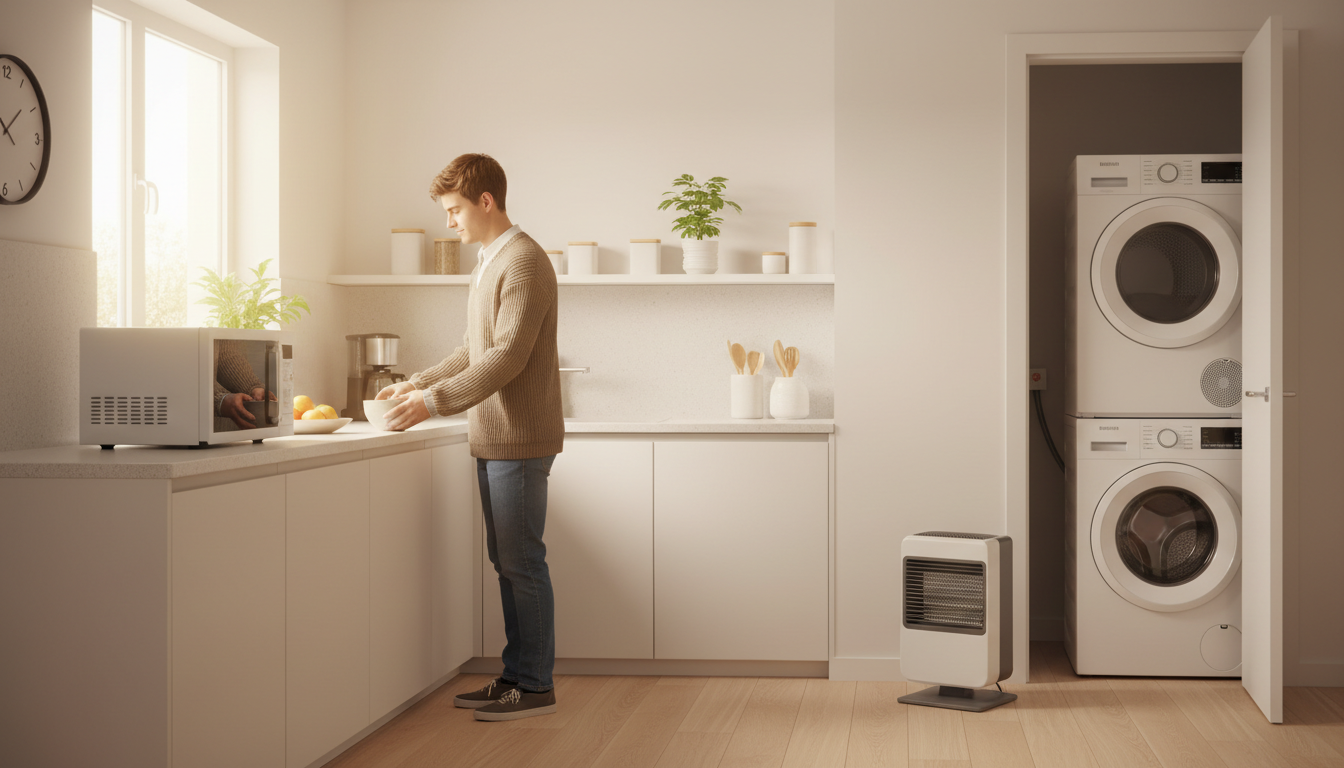
One of the most common reasons appliances stop working is due to power supply issues. Before assuming the worst, ensure that your appliance is properly plugged in and that the outlet is functioning. You can test the outlet by plugging in another device. If the outlet isn’t working, check your circuit breaker or fuse box to see if a switch has tripped or a fuse has blown.
Inspect the Power Cord
Examine the power cord for any visible damage such as fraying or cuts. A damaged cord can prevent power from reaching the appliance. If you suspect the cord is faulty, it might need to be replaced to ensure safe operation.
Look for Obvious Signs of Damage
Sometimes, a simple visual inspection can reveal the cause of the problem. Look for any obvious signs of damage or wear and tear, such as broken parts, leaks, or unusual noises. Addressing these visible issues can often resolve the problem.
Consult the User Manual
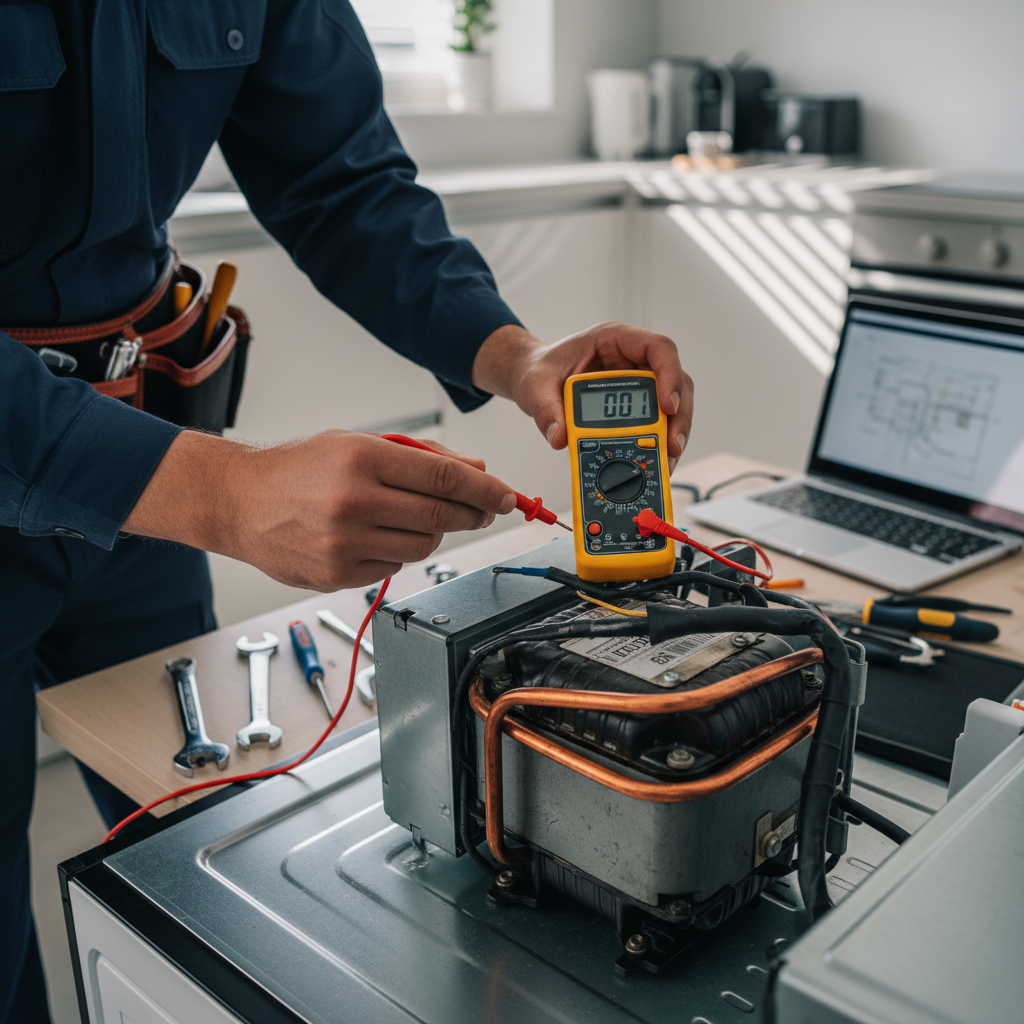
Your appliance’s user manual can be a valuable resource. It often contains troubleshooting tips tailored to specific issues related to your model. Check the manual for any error codes or instructions that may help you pinpoint the problem.
Reset the Appliance
Many appliances have a reset function that can resolve minor issues. Refer to the user manual to find out how to perform a reset. This can sometimes clear software glitches or restore the appliance to its default settings.
Clean and Maintain Regularly
Regular maintenance can prevent many common issues. Clean your appliances according to the manufacturer’s recommendations. Build-up of dust, debris, or lint can cause appliances to malfunction. Regular cleaning helps them operate efficiently.

Check for Blockages
Blockages can cause appliances like dishwashers, washing machines, and dryers to stop working properly. Check for clogs in hoses, filters, or vents, and clear any obstructions you find. This can restore proper function and efficiency.
When to Call a Professional
If you’ve tried these troubleshooting steps and your appliance is still not working, it may be time to call in a professional repair service. Complex issues, especially those involving electrical components or gas connections, should be handled by an expert to ensure safety and proper repair.
By taking the time to troubleshoot common appliance issues yourself, you can save time and money. However, don’t hesitate to seek professional assistance when necessary.