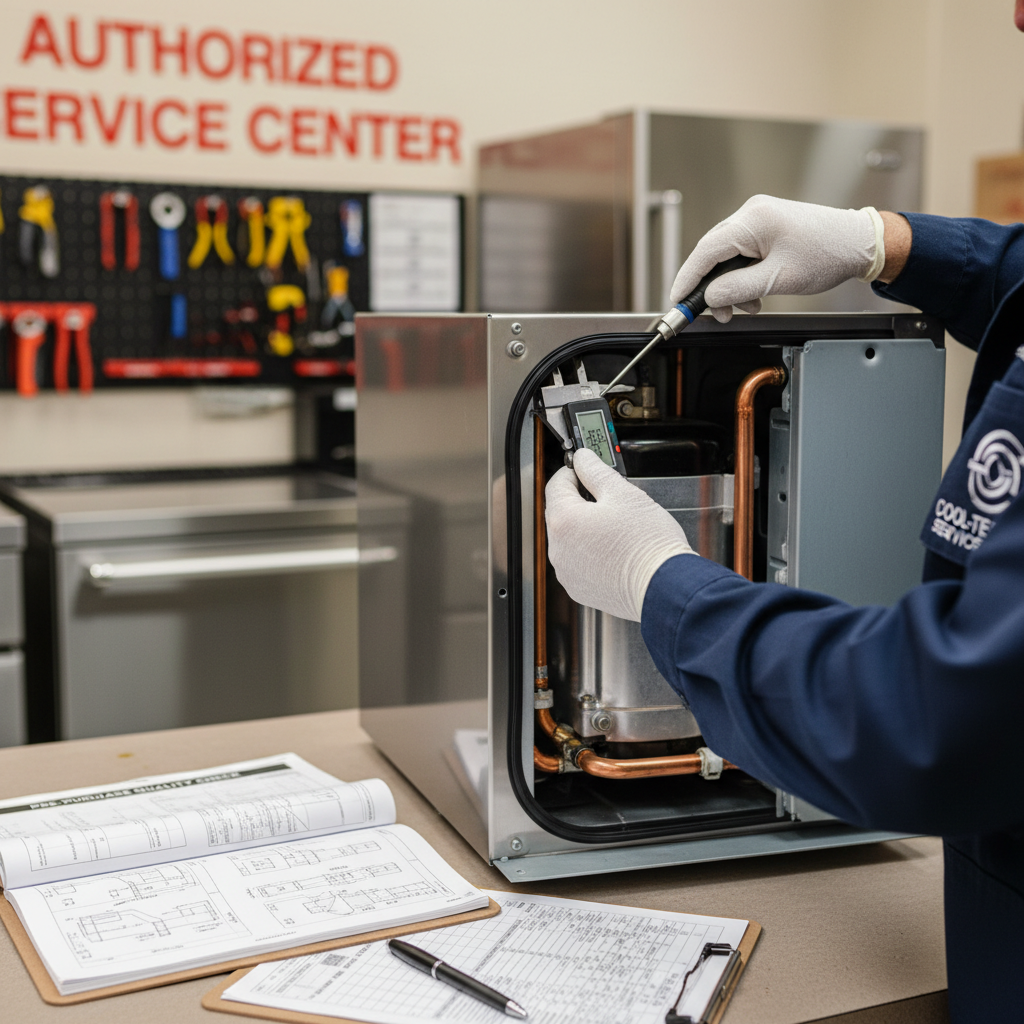
Preparing Your Appliances for NC's Seasonal Changes
Understanding North Carolina's Climate
North Carolina experiences a diverse range of weather conditions due to its varied geography, from the coastal plains to the mountainous regions. This diversity means that homeowners need to be prepared for seasonal changes that can impact their home appliances. Proper preparation can help ensure that appliances run efficiently and last longer.

Preparing for the Humidity
During the warmer months, North Carolina can become quite humid. This humidity can affect appliances like air conditioners and refrigerators. To prepare for this, it's essential to clean and inspect your air conditioner filters regularly. A clean filter ensures optimal airflow and efficiency. For refrigerators, check the seals around the doors to ensure they are airtight, preventing humidity from affecting cooling efficiency.
Winterizing Your Appliances
As winter approaches, it's crucial to winterize appliances such as heaters and washing machines. For heaters, have them serviced to ensure they are functioning correctly and efficiently. This service can include cleaning the burners and checking the thermostat. Washing machines should be checked for any leaks or issues with hoses, as freezing temperatures can cause them to crack.
Managing Power Surges
Thunderstorms are common in North Carolina, especially during the spring and summer. These storms can lead to power surges, which may damage your appliances. To protect your appliances, consider investing in surge protectors. These devices can help safeguard your electronics and appliances from unexpected voltage spikes.
Regular Maintenance and Inspections
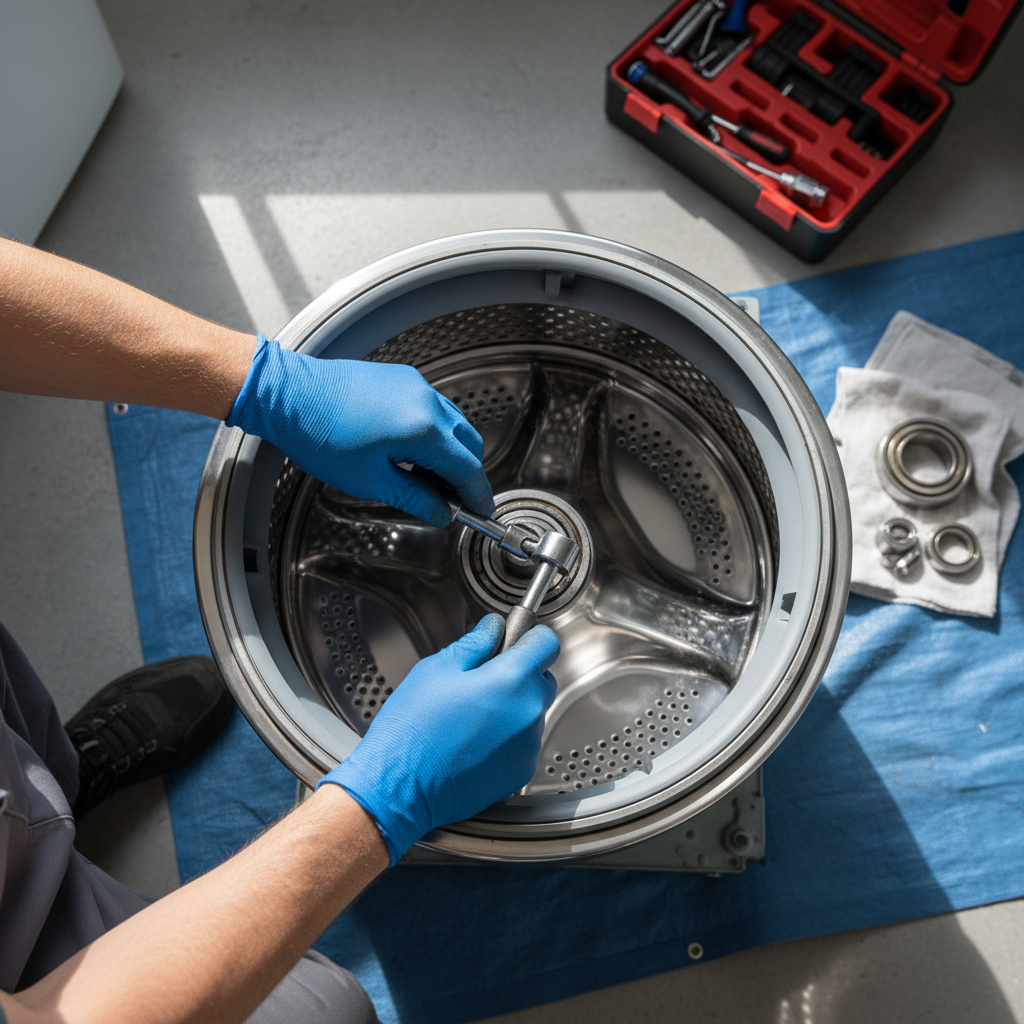
Regardless of the season, regular maintenance and inspections of your appliances are vital. This includes checking for signs of wear and tear, unusual noises, or changes in performance. Addressing these issues early can prevent costly repairs and extend the life of your appliances.
Optimizing Energy Efficiency
Energy efficiency is crucial for reducing utility bills and minimizing environmental impact. During seasonal transitions, adjust your thermostat settings to match the outdoor temperature. This simple step can significantly reduce energy consumption. Additionally, consider upgrading to energy-efficient appliances, which often come with rebates and incentives in North Carolina.
Final Tips for Appliance Care
To ensure your appliances are ready for seasonal changes, create a checklist for regular upkeep. This checklist might include tasks such as:
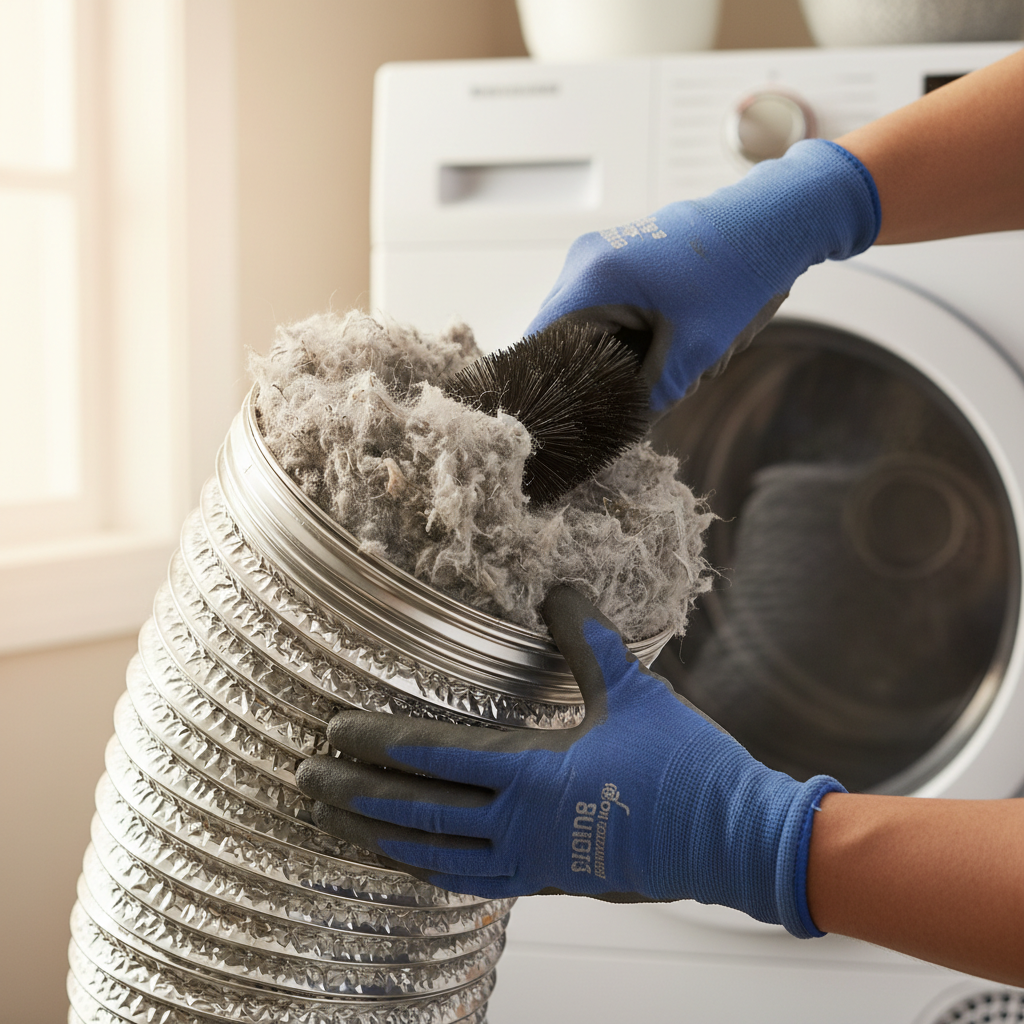
- Cleaning appliance filters and vents.
- Inspecting seals and gaskets.
- Scheduling professional maintenance checks.
By staying proactive, you can keep your appliances running smoothly throughout the year.