Expert Tips: When to Repair vs. Replace Your Kitchen Appliances
Introduction
Maintaining a well-functioning kitchen is essential for a smooth-running home. When your appliances start acting up, it can be challenging to decide whether to repair or replace them. Here, we provide some expert tips to help you make an informed decision.
Assessing the Age of Your Appliance
The age of your appliance is a critical factor in deciding whether to repair or replace it. Most kitchen appliances have a typical lifespan:
- Refrigerators: 10-15 years
- Dishwashers: 8-12 years
- Ovens and Stoves: 10-20 years
If your appliance is nearing the end of its lifespan, replacement may be the more cost-effective option.
Cost of Repair vs. Replacement
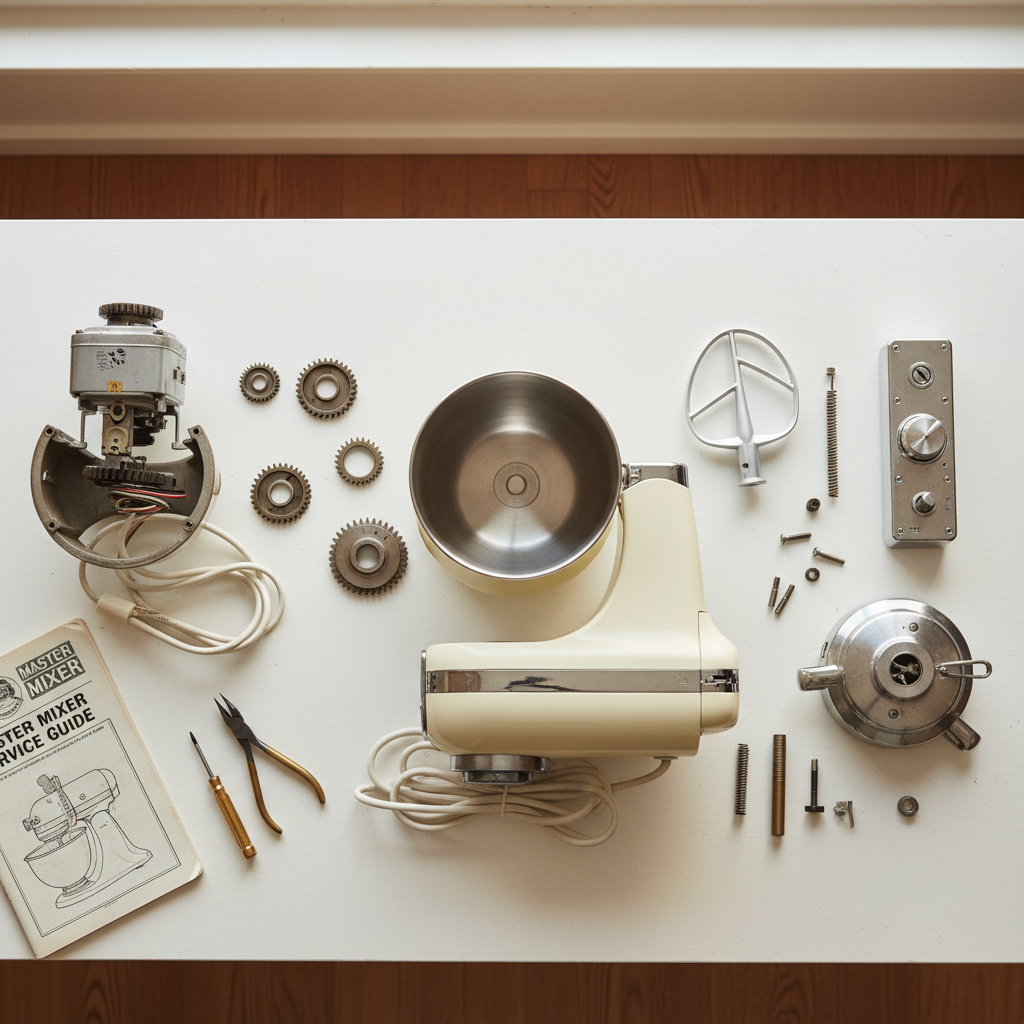
Another important consideration is the cost of repairs compared to the cost of purchasing a new appliance. A general rule of thumb is if the repair costs more than 50% of the price of a new appliance, it's wise to replace it. Additionally, it's worth checking if your appliance is still under warranty, as this could significantly reduce repair costs.
Energy Efficiency and Environmental Impact
Newer appliances are often more energy-efficient than older models. By replacing an outdated appliance with a modern one, you can potentially save on energy bills. Plus, choosing energy-efficient models helps reduce your carbon footprint, contributing to a more sustainable environment.
Performance and Technology
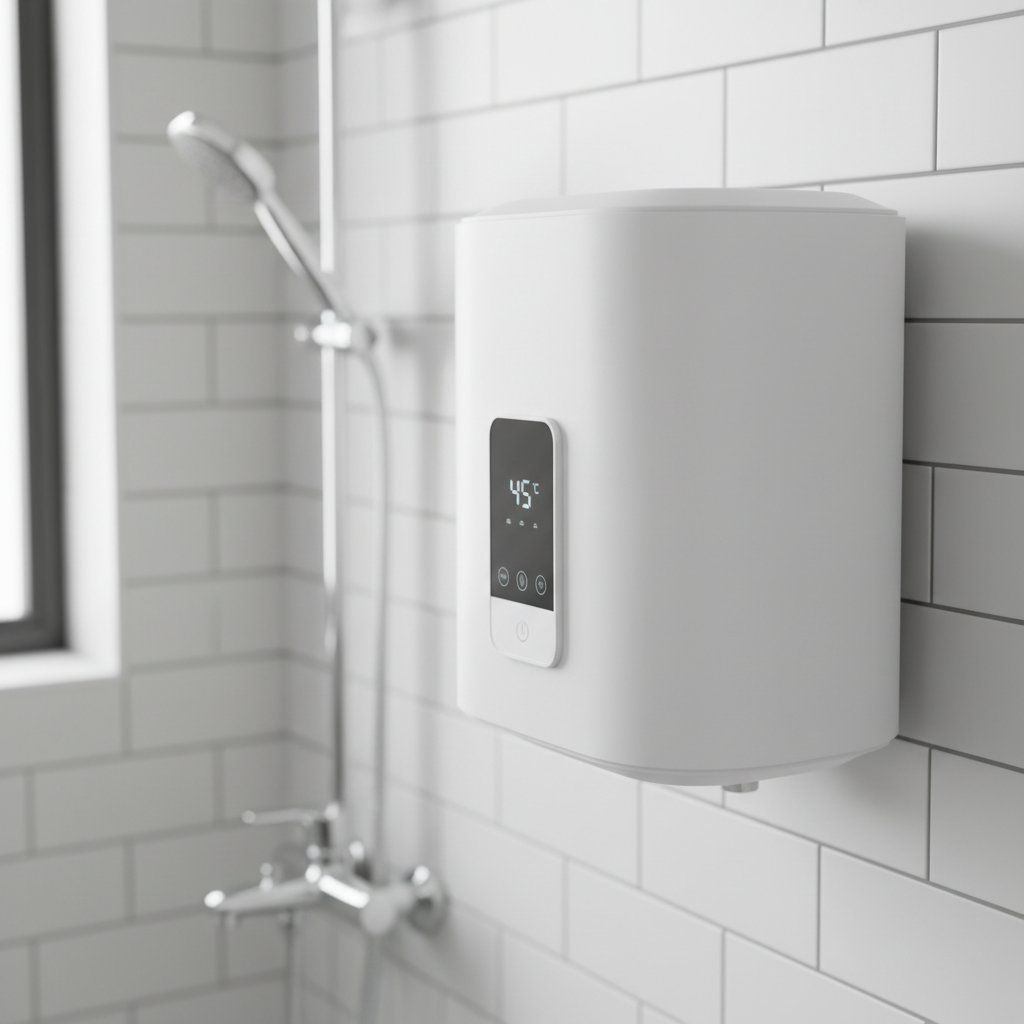
Consider the performance of your current appliance. If it’s not meeting your needs, upgrading might be the best choice. Newer models often come with advanced technology and features, making them more user-friendly and efficient.
Frequency of Repairs
If your appliance has been breaking down frequently, it might be time to consider a replacement. Constant repairs not only drain your wallet but also inconvenience your daily routine. When appliances become unreliable, investing in a new model can bring peace of mind.
Safety Concerns
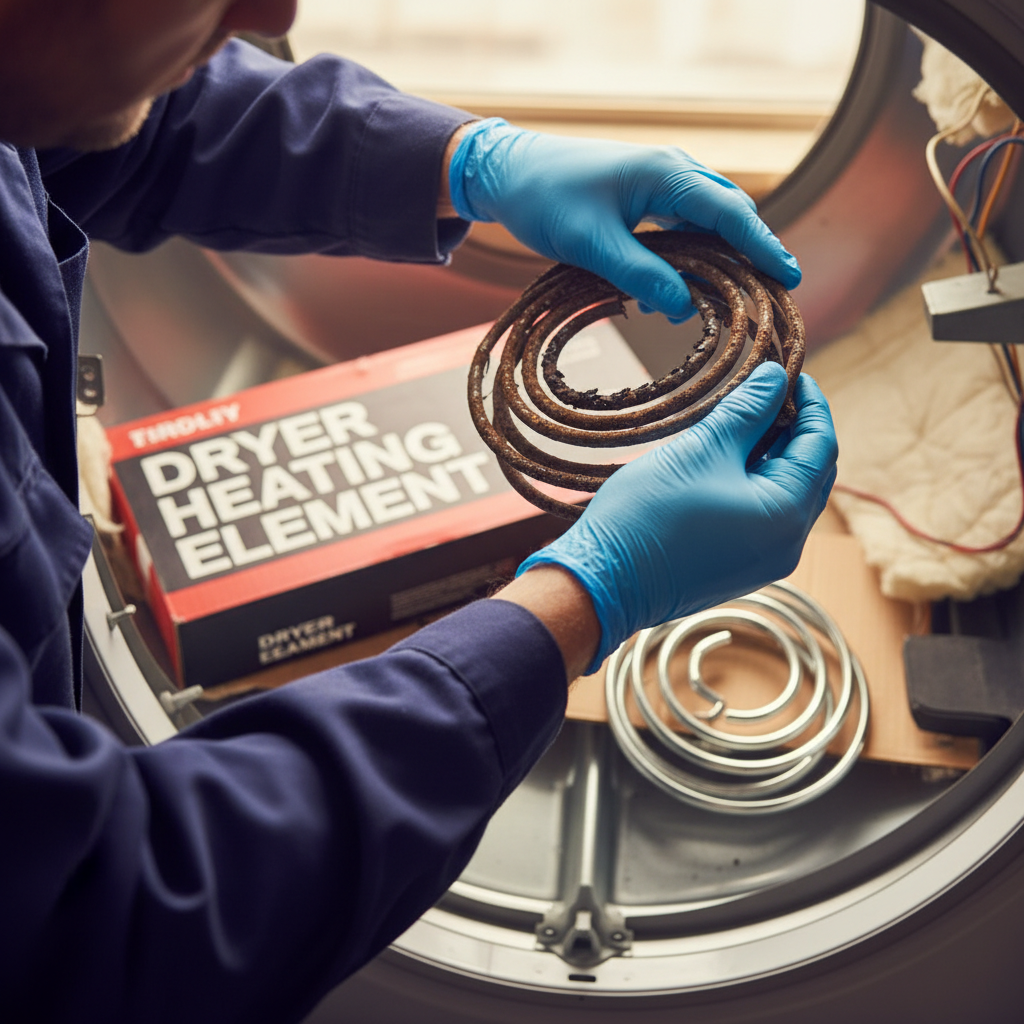
Safety should always be a priority. If an appliance poses a safety risk, such as electrical issues or gas leaks, replacing it is the safest option. Older appliances may not meet current safety standards, so upgrading can provide additional security.
Conclusion
Deciding whether to repair or replace your kitchen appliances depends on several factors, including age, cost, efficiency, and safety. By carefully evaluating each aspect, you can make a decision that best suits your needs and budget. Remember, investing in quality appliances can enhance the functionality and safety of your kitchen for years to come.