Top 5 Common Reasons Your Fridge Stops Cooling and How to Fix Them
Introduction
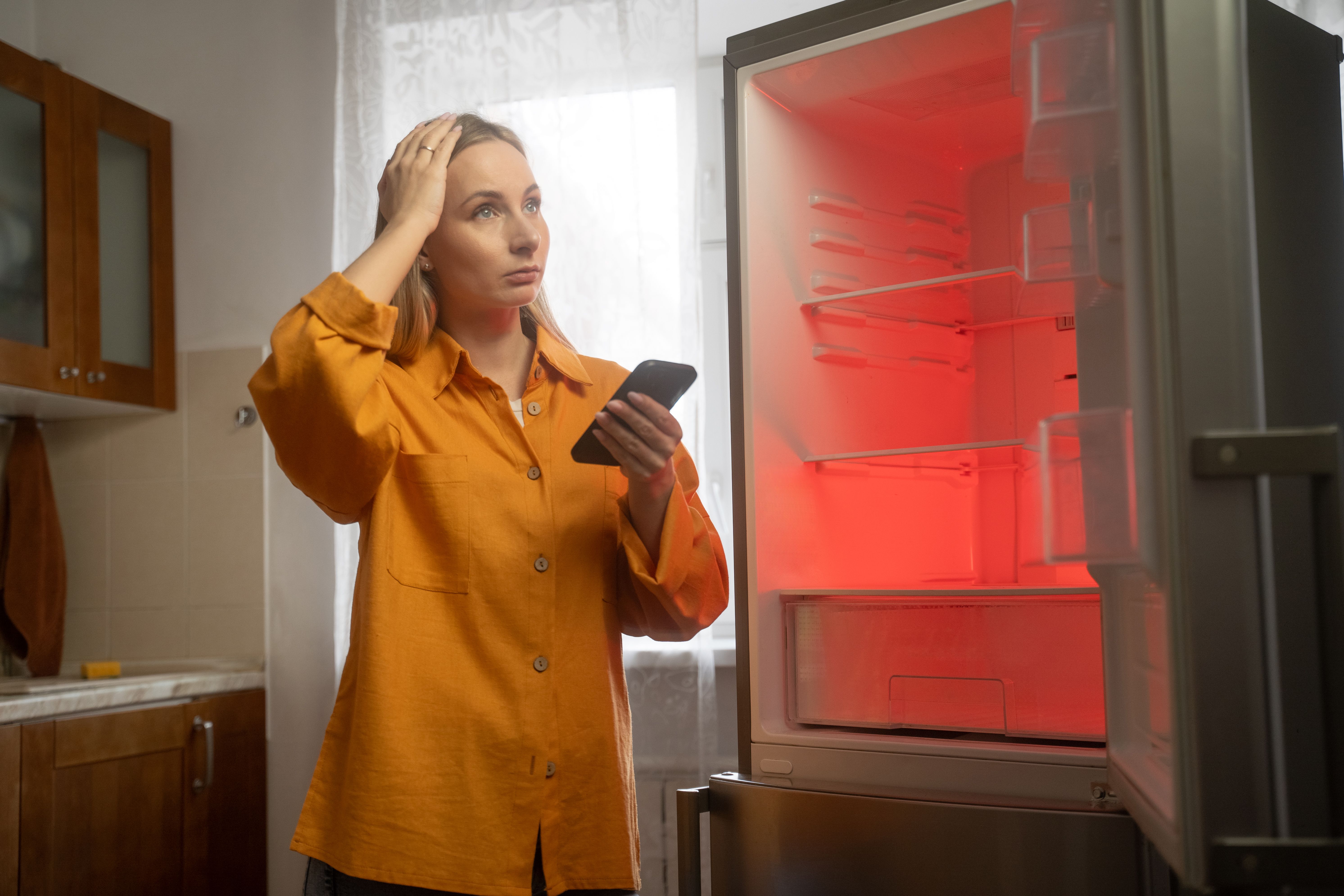
A fridge that stops cooling can be a major inconvenience, especially when it threatens to spoil your food. Understanding the common reasons your fridge might stop cooling can help you troubleshoot and fix the issue quickly. Below, we explore the top five reasons and offer some tips on how to address them.
Dirty Condenser Coils
The condenser coils, located either at the back or underneath your fridge, play a crucial role in cooling. When these coils become dirty or covered in dust, they can't release heat effectively, causing your fridge to stop cooling. Cleaning the coils is usually a simple fix.
How to Clean the Coils
To clean the coils, unplug your fridge and use a vacuum or a coil cleaning brush to remove dust and debris. Doing this every six months can help prevent cooling issues.
Faulty Evaporator Fan
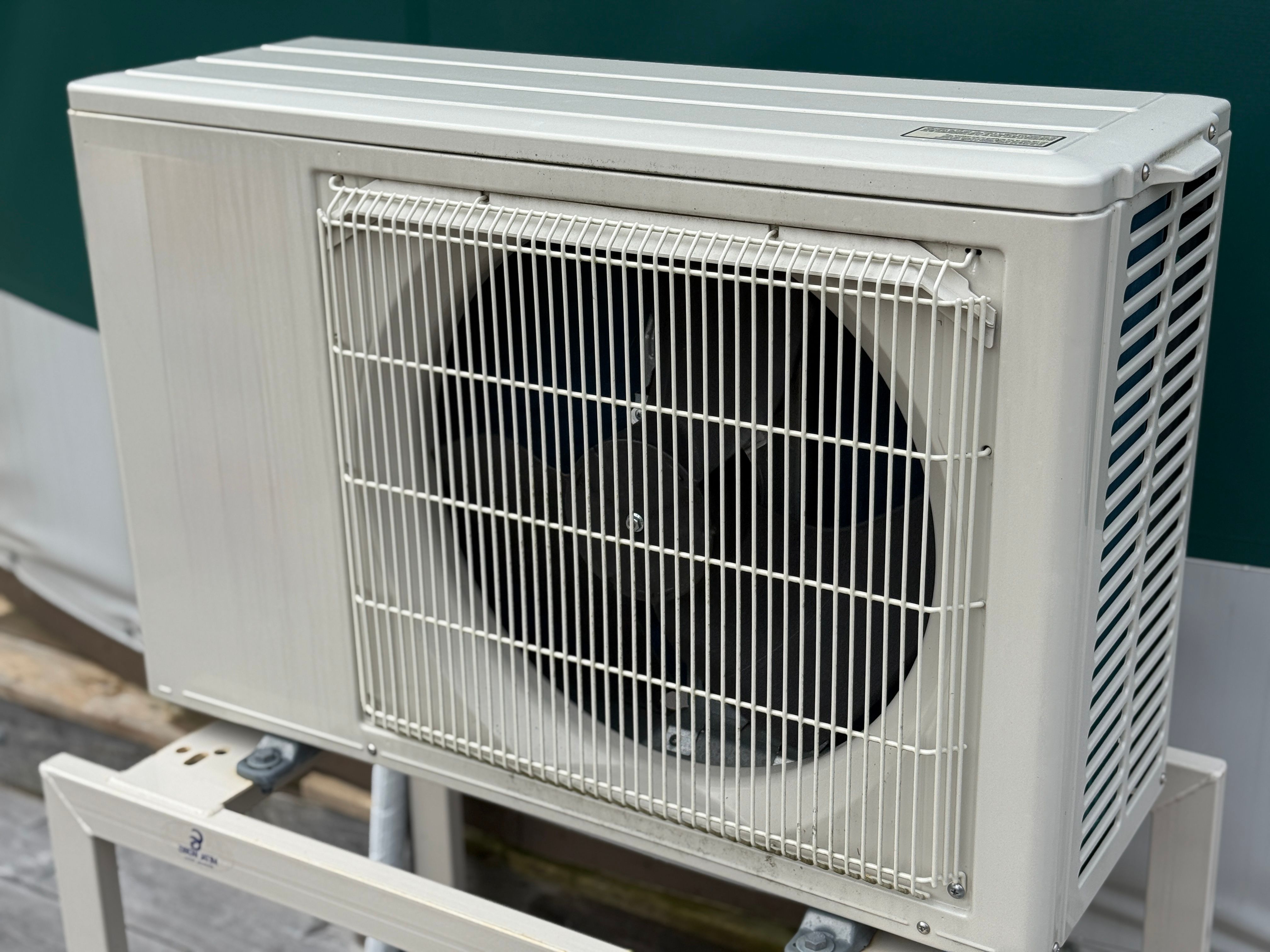
The evaporator fan circulates air over the evaporator coils and throughout the fridge. If this fan stops working, you might notice your fridge is no longer cold. Listen for unusual noises, as a noisy fan can indicate a problem.
Steps to Fix or Replace the Fan
Check to see if the fan blades are obstructed or need cleaning. If the fan is damaged, you may need to replace it. Consult your fridge's manual for specific instructions or consider hiring a professional if you're unsure.
Temperature Control Issues
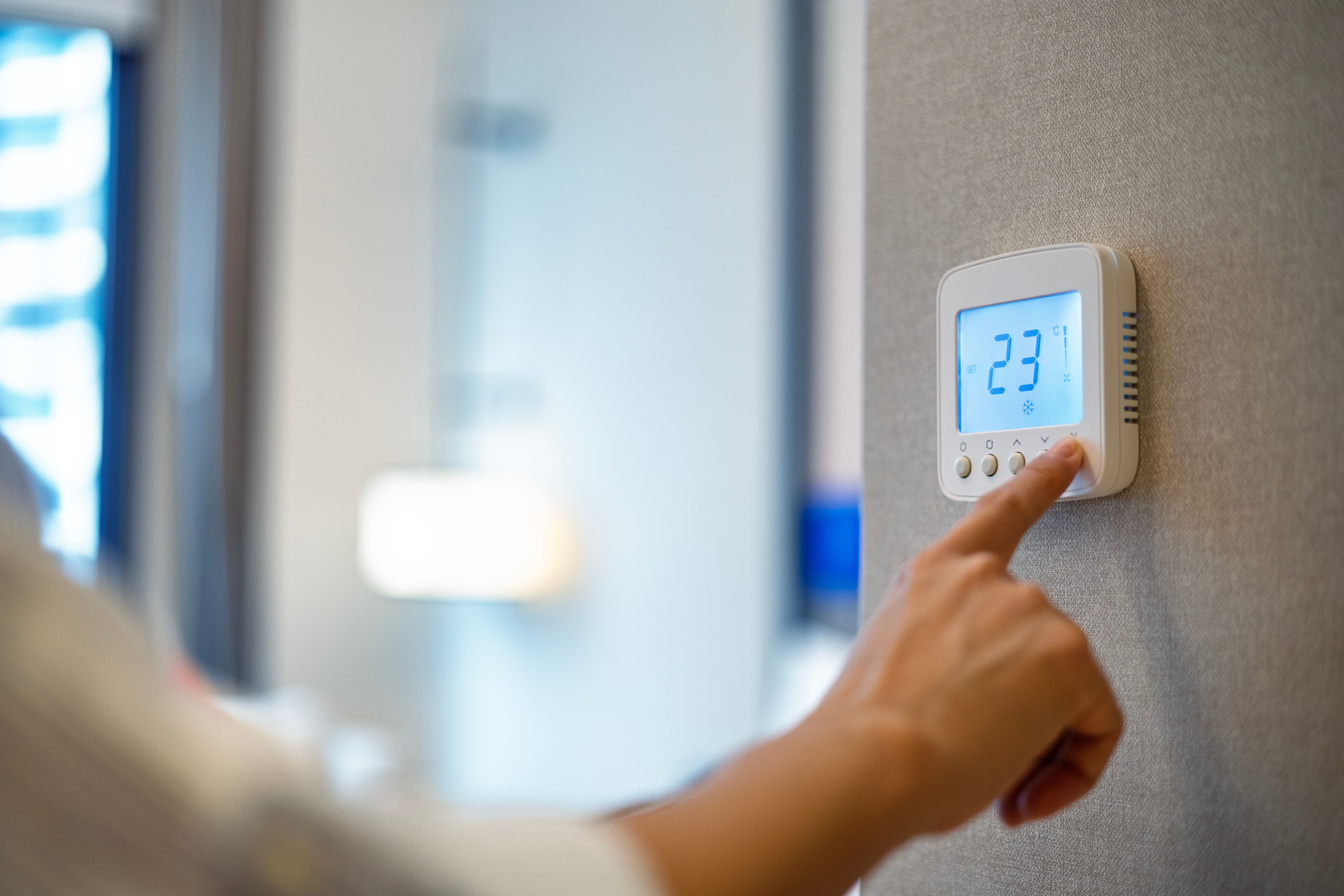
Sometimes, the problem lies with the thermostat or temperature control board. If these components malfunction, they can cause your fridge to stop cooling.
Adjusting or Replacing the Thermostat
Ensure that the thermostat is set to the correct temperature. If the problem persists, the thermostat may need replacing. This is typically a straightforward process, but consulting a professional is advisable if you're uncertain.
Leaking Coolant
A coolant leak can severely affect your fridge's cooling ability. If you suspect a leak, it's essential to address it quickly to prevent further damage.
Identifying and Fixing Coolant Leaks
Look for oily residue on the floor or a decrease in cooling efficiency. Fixing a coolant leak is best left to professionals due to the complexity and potential hazards involved.
Broken Door Seal
A broken or damaged door seal can allow warm air to enter the fridge, reducing its cooling efficiency. Inspect the seal for cracks or gaps.
Repairing the Door Seal
Replacing a worn-out door seal is usually straightforward. Purchase a replacement seal that matches your fridge model and follow the instructions for installation.
By understanding these common issues and their solutions, you can often resolve cooling problems without needing to replace your fridge.