Understanding the Impact of NC's Climate on Your Appliances
Understanding North Carolina's Climate
North Carolina boasts a diverse climate, with its weather patterns ranging from the humid subtropical conditions of the coastal plains to the temperate climates of the mountains. This variability can have a significant impact on household appliances, influencing their performance and lifespan.
Humidity and Its Effects on Appliances
In many parts of North Carolina, high humidity is a common occurrence, especially during the summer months. This increased moisture in the air can wreak havoc on appliances. For instance, rust and corrosion can develop on metal components, leading to potential malfunctions.
High humidity levels can also affect refrigerators and freezers, causing them to work harder to maintain cool temperatures. This not only increases energy consumption but can also lead to premature wear and tear.
Temperature Fluctuations and Energy Demand
The state’s temperature can fluctuate widely between seasons, impacting how appliances operate. During hot summers, air conditioners and refrigerators often run longer and more frequently. This increased usage can lead to higher energy bills and stress on the appliances.
Conversely, in the colder months, heating systems are put to the test. Ensuring these systems are well-maintained can help mitigate the effects of temperature swings and reduce unexpected breakdowns.
Maintaining Appliances in NC’s Climate
Proper maintenance is crucial to extend the life of your appliances in North Carolina. Regular cleaning, timely servicing, and addressing minor issues before they become major problems can save both time and money in the long run.
Here are some tips for maintaining appliances:
- Regularly check and clean air filters in HVAC systems and dryers.
- Inspect and clean refrigerator coils to improve efficiency.
- Ensure seals and gaskets are intact to prevent leaks and energy loss.
Adapting to Seasonal Changes
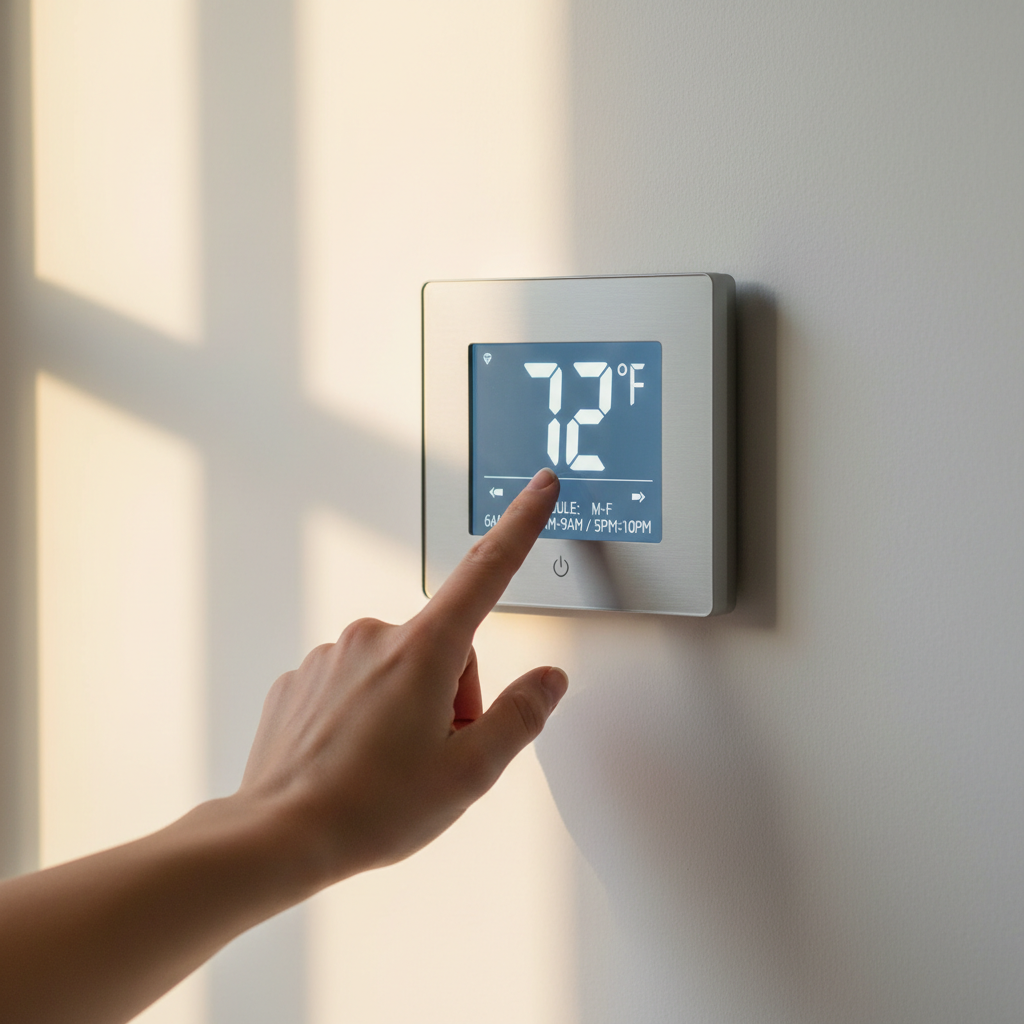
Adjusting your appliance usage according to seasonal changes can also be beneficial. For instance, using ceiling fans to circulate air can reduce reliance on air conditioners in the summer. Similarly, using programmable thermostats can optimize heating efficiency in winter.

Conclusion
Understanding the impact of North Carolina's climate on your appliances is essential for ensuring their longevity and efficiency. By taking proactive steps and staying informed about climate-related challenges, you can protect your investments and enjoy a comfortable home environment year-round.