What to Do When Your Fridge Stops Cooling: A Comprehensive Troubleshooting Guide
Understanding the Problem
When your fridge stops cooling, it can quickly become a stressful situation. Before panicking, it's essential to understand that there are several common reasons why this might happen. In this guide, we'll walk you through the steps to identify and possibly fix the issue yourself.
Check the Power Supply
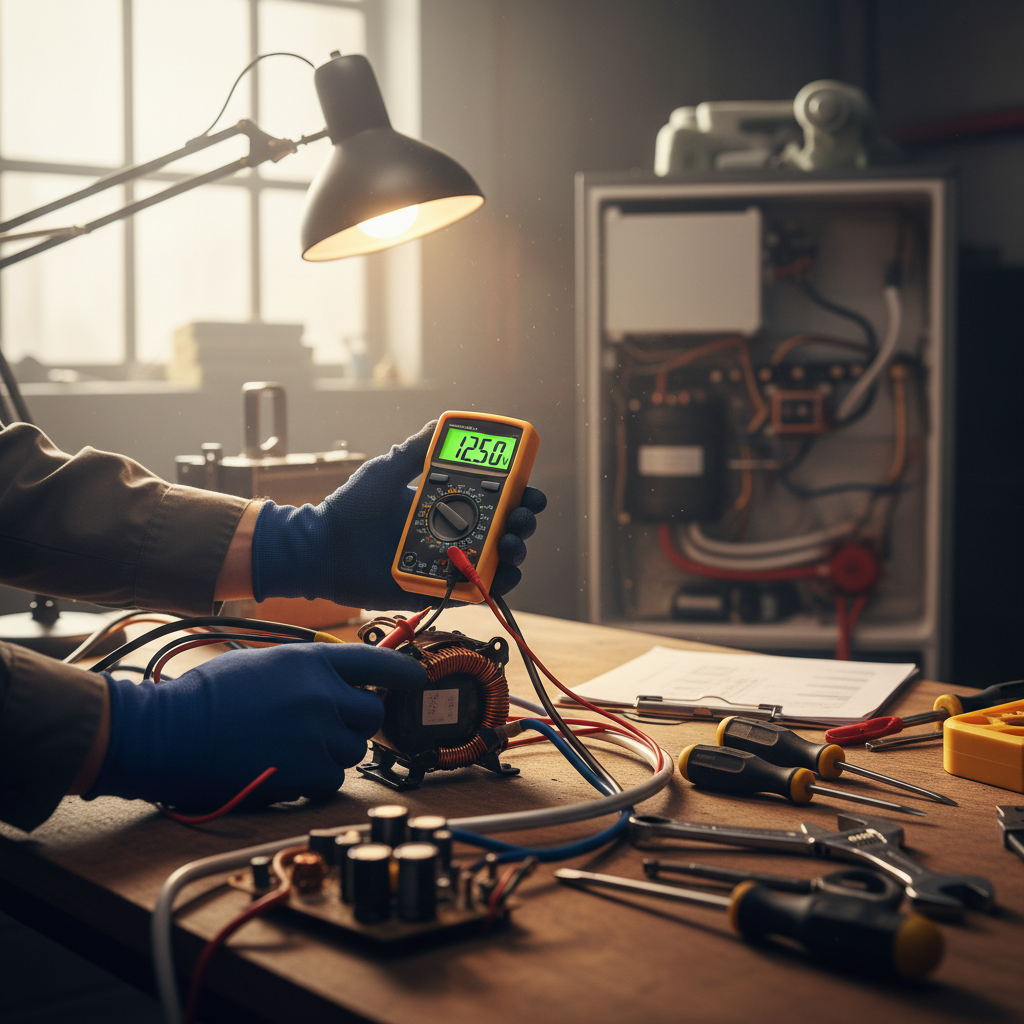
The first step is to ensure that your fridge is receiving power. Check if the light inside the fridge turns on when you open the door. If not, it might be a power issue. Make sure the fridge is plugged in securely, and check the outlet by plugging in another device.
Inspect the Thermostat
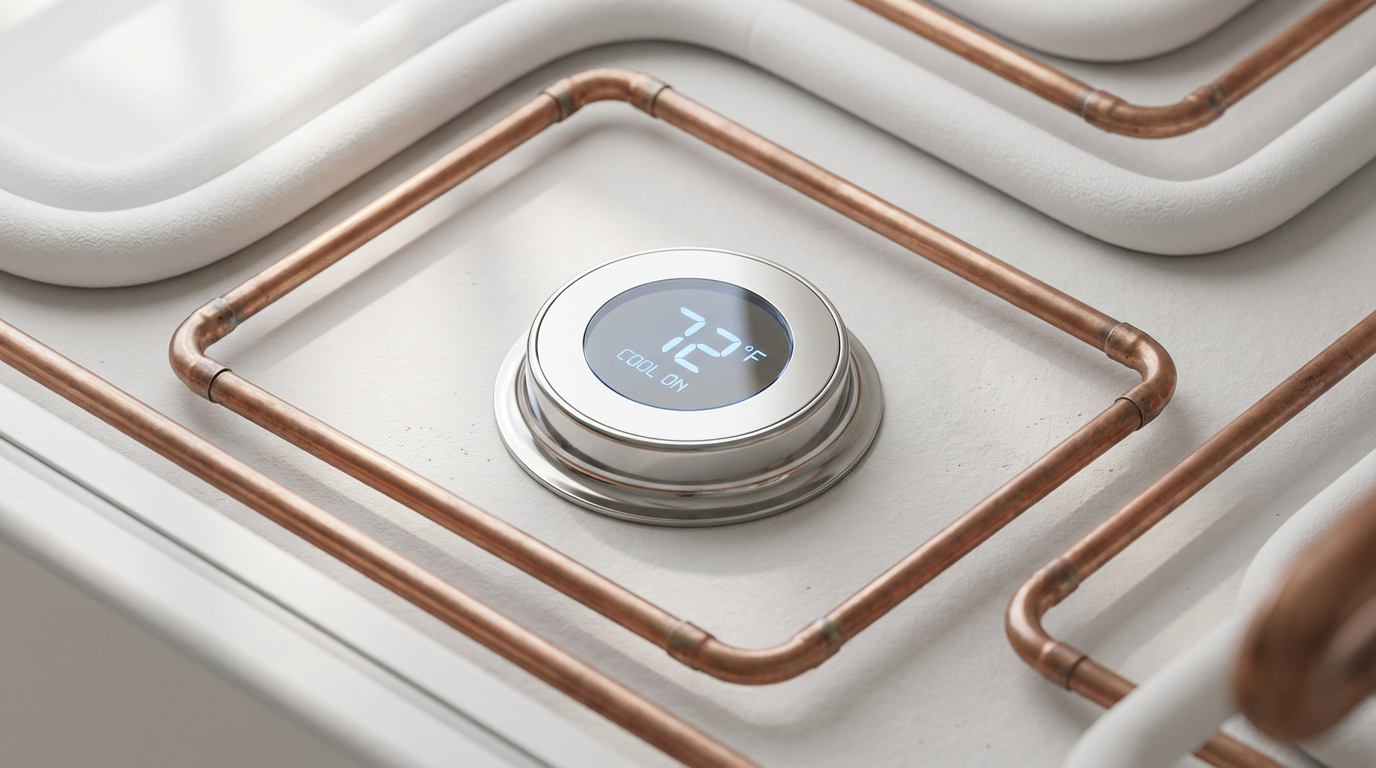
Sometimes, the thermostat may have been accidentally adjusted. Locate the thermostat inside your fridge, and ensure it's set to the correct temperature. The ideal setting is usually between 37-40 degrees Fahrenheit (3-4 degrees Celsius).
Examine the Condenser Coils
Dust and debris can accumulate on the condenser coils, which can affect the fridge's ability to cool efficiently. You can find these coils either at the back or underneath the fridge. Clean them gently with a vacuum or a soft brush to improve cooling efficiency.
Check for Blocked Vents
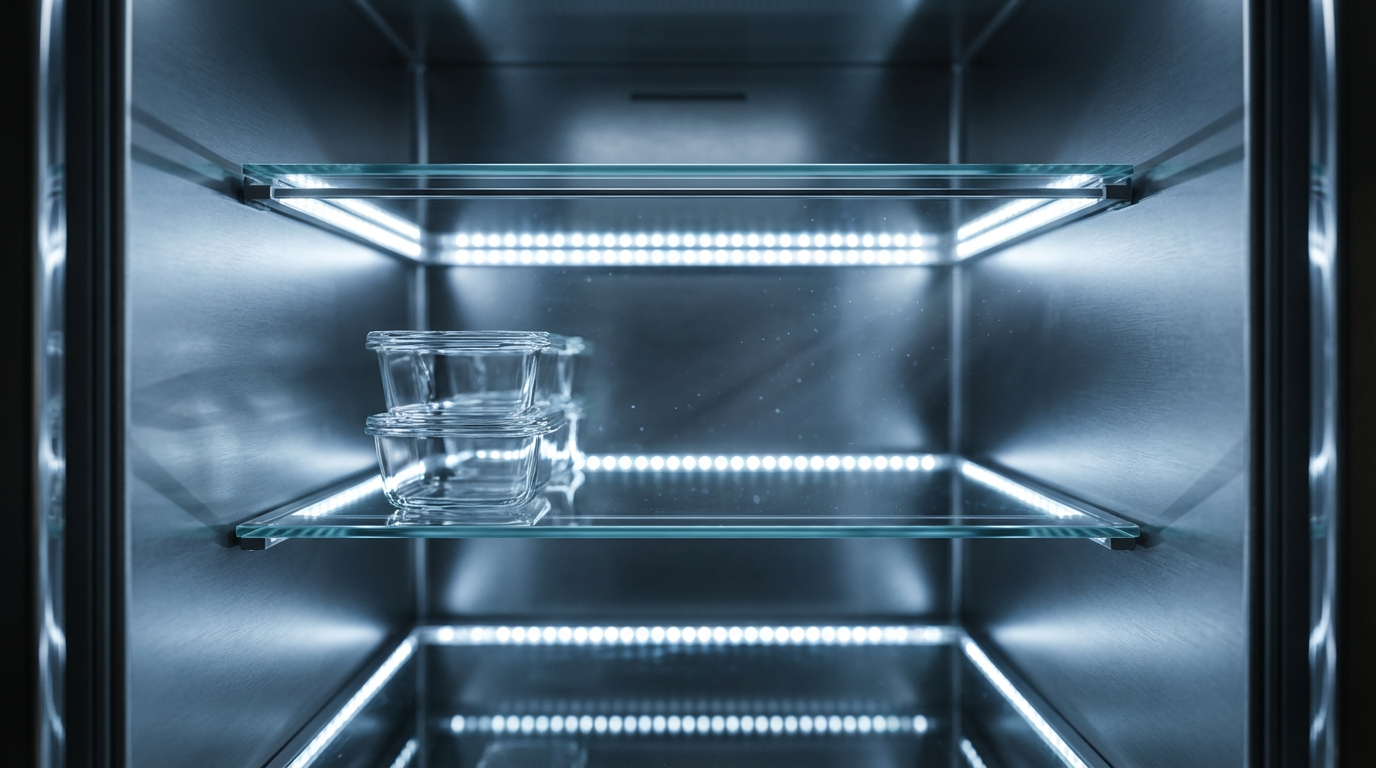
Cold air circulates through vents in your fridge and freezer. If these vents are blocked by food items, airflow is restricted, leading to cooling problems. Rearrange your items to ensure clear airflow.
Listen for Unusual Noises
If your fridge is making strange noises, it could be a sign of a mechanical issue. Listen for unusual sounds coming from the compressor or fans. If you suspect a mechanical problem, it might be time to call a professional for assistance.
Test the Door Seals
Faulty door seals can cause cold air to escape, reducing cooling efficiency. Test the seals by closing the door on a piece of paper. If you can pull the paper out easily, it might be time to replace the seals.
When to Call a Professional
If you've gone through these troubleshooting steps and your fridge still isn't cooling properly, it might be time to call a professional technician. They can diagnose more complex issues like refrigerant leaks or compressor failures that require specialized skills to repair.
Remember, regular maintenance and care can prevent many of these issues from occurring in the first place. By keeping your fridge clean and ensuring that it's in good working order, you can extend its lifespan and keep your food safe and fresh.