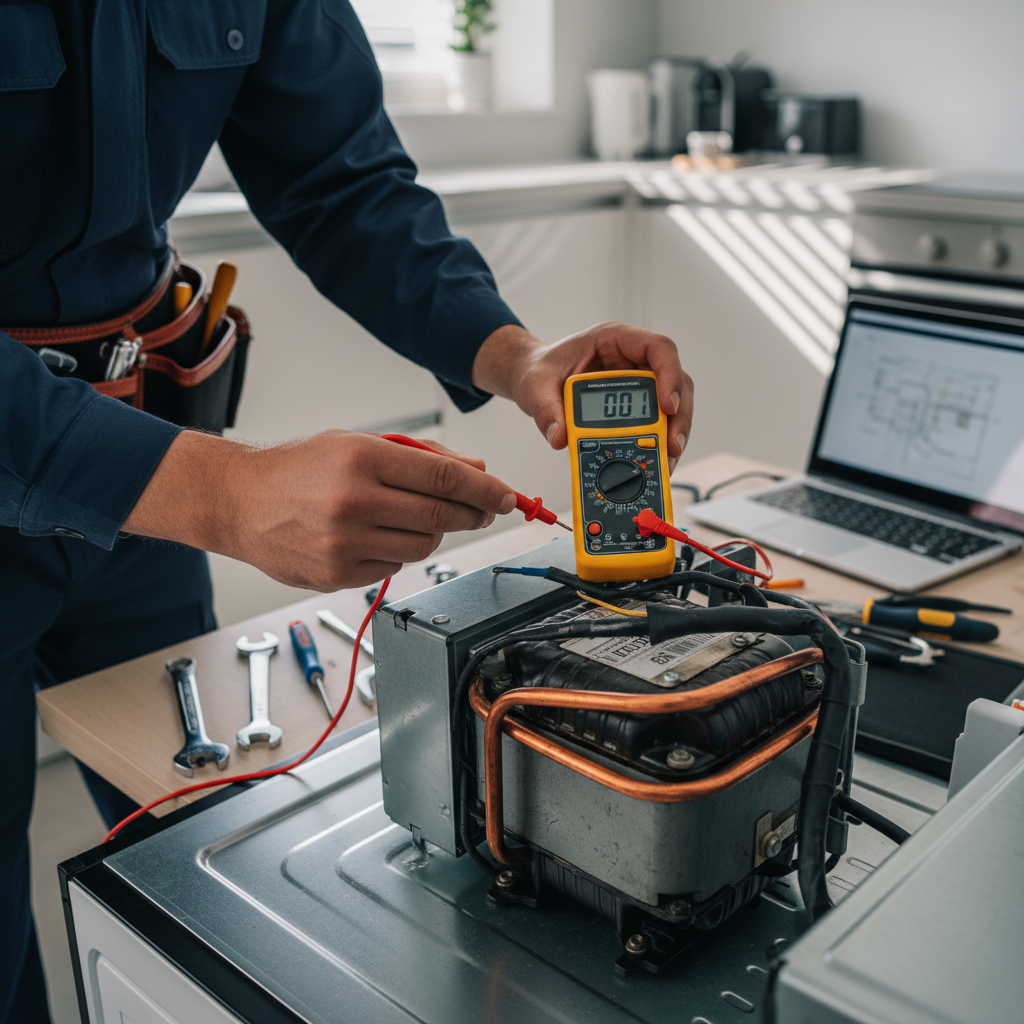
What to Do When Your Fridge Stops Cooling: Expert Tips from Rink's Appliances
Introduction
When your fridge stops cooling, it can be a major inconvenience. Spoiled food and unexpected repair costs are the last things you need. Luckily, there are several steps you can take before calling in a professional. Here are some expert tips from Rink's Appliances to help you troubleshoot and possibly fix the issue yourself.
Check the Power Supply
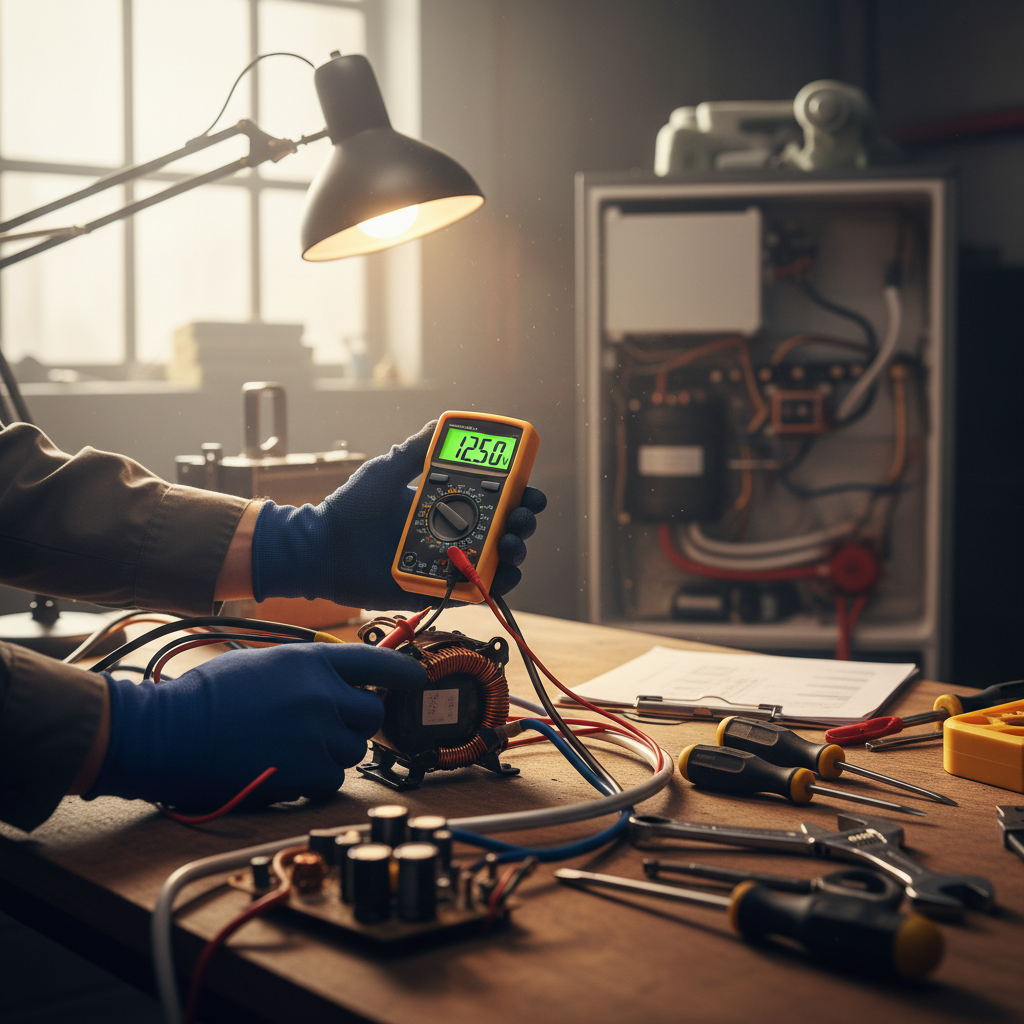
The first step is ensuring that your fridge is properly plugged in and receiving power. It might sound obvious, but sometimes the simplest solution is the correct one. Check the outlet by plugging in another appliance to see if it works.
If the outlet is functional, inspect the fridge's power cord for any signs of damage. If you find any frayed wires or other issues, it might be time to replace the cord.
Inspect the Circuit Breaker
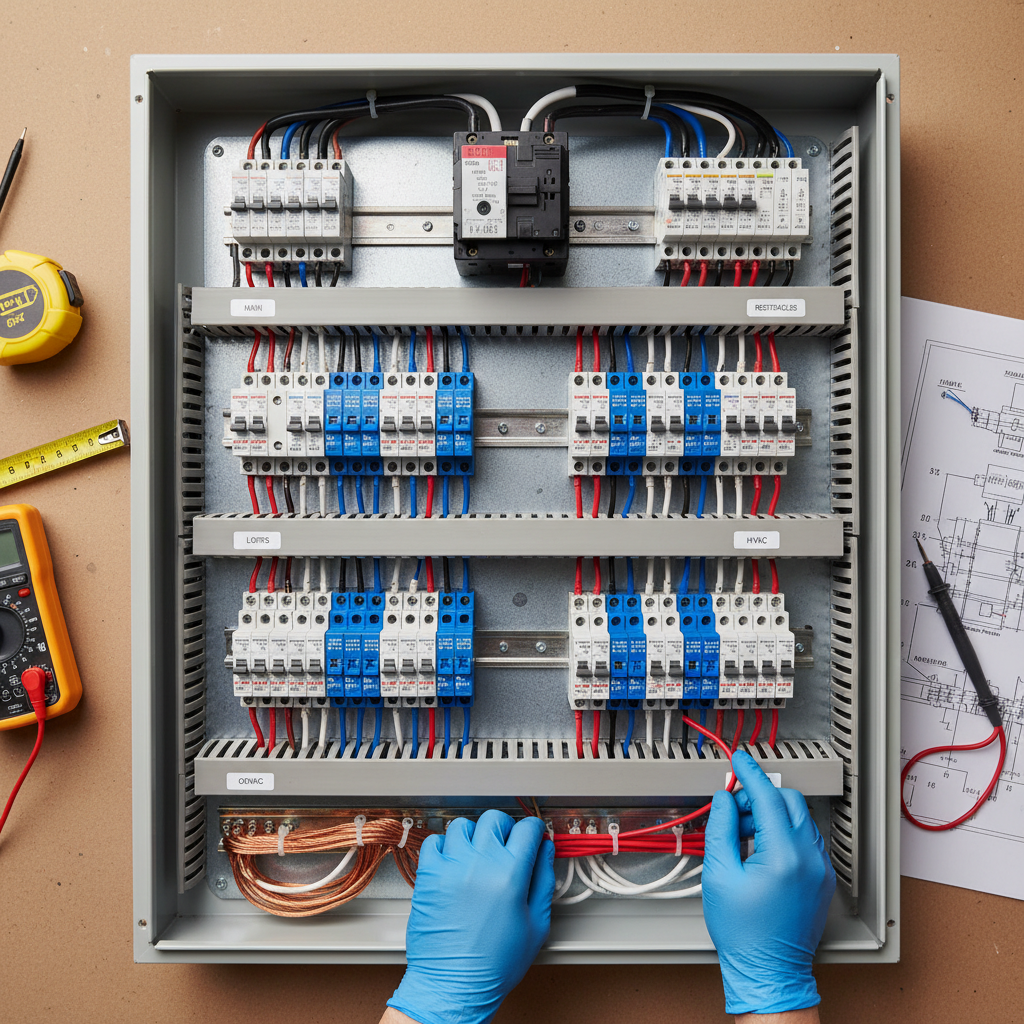
Your fridge might have tripped a circuit breaker, cutting off its power supply. Check your home's main electrical panel to see if the breaker has been tripped. If it has, reset it and see if the fridge starts cooling again.
Examine the Temperature Settings
Sometimes, the issue could be as simple as incorrect temperature settings. Make sure the thermostat inside the fridge is set to the recommended level, typically between 35°F and 38°F (1.7°C to 3.3°C).
If the settings seem correct but the fridge still won't cool, try adjusting the thermostat to a colder setting and see if that makes a difference.
Clear the Vents
Blocked vents can restrict airflow, preventing your fridge from cooling properly. Ensure that the vents inside the fridge and freezer compartments are clear of any obstructions, such as food packages or ice build-up.
Check the Condenser Coils
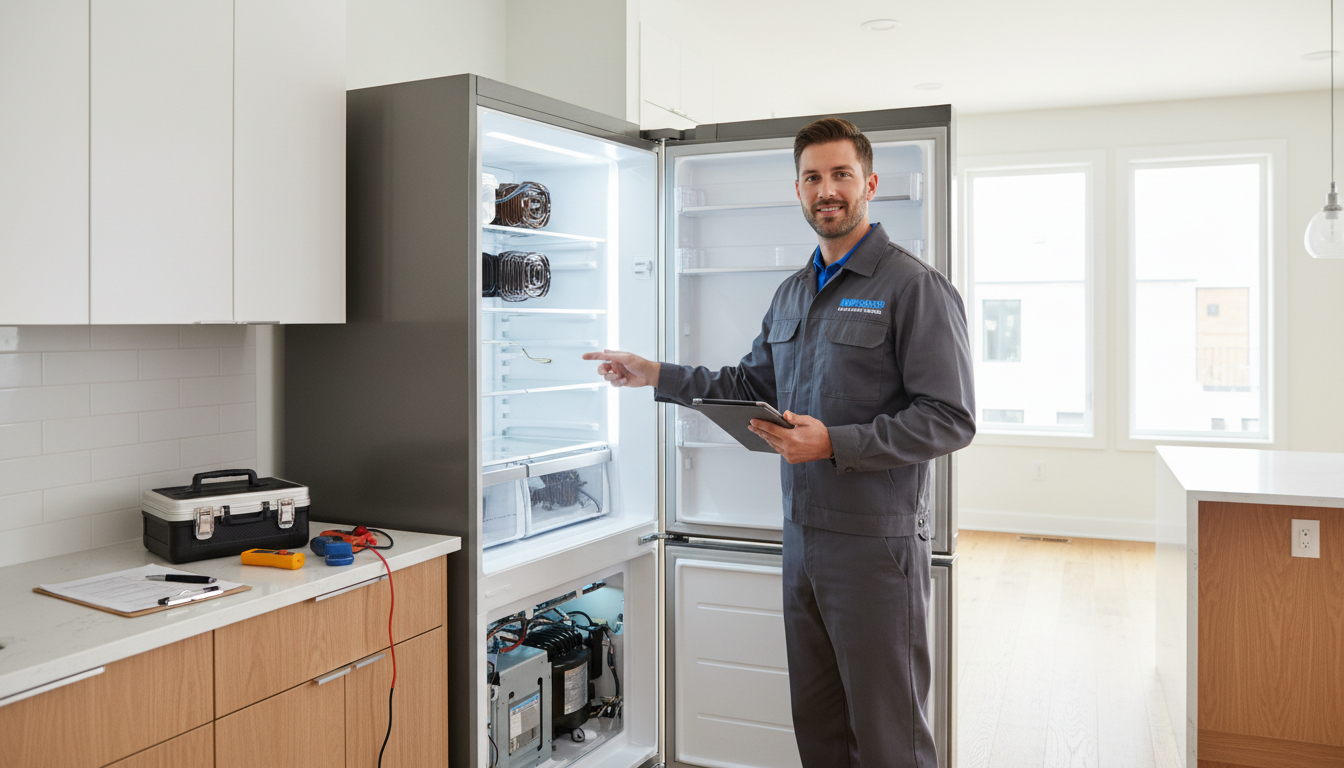
Dirty condenser coils can lead to inefficient cooling. These coils are usually located at the back or underneath your fridge. If they are covered in dust or debris, clean them gently with a vacuum cleaner or a soft brush.
Regularly cleaning the coils can help maintain your fridge’s efficiency and prolong its lifespan.
Listen for Unusual Noises
Strange noises can indicate a problem with the compressor or evaporator fan. If you hear unusual humming, clicking, or buzzing sounds, it might be time to consult a professional technician for a more detailed inspection.
Conclusion
While a fridge that stops cooling can be concerning, these simple steps can help you diagnose and potentially fix the problem. If none of these solutions work, it may be time to call in the experts at Rink's Appliances for a thorough evaluation and repair.
Remember, regular maintenance and cleaning can prevent many of these issues, ensuring your fridge runs efficiently for years to come.